nissan-cube
Nissan Cube — Mobile Device
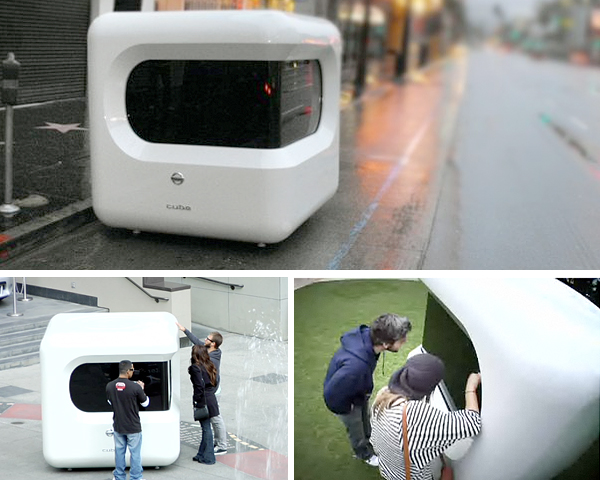
The U.S. launch campaign for the Nissan cube — reframed not as a car but as a "mobile device" for a generation that lived on their phones. Four months, fifty-plus pieces of media, and a pop-up Pop Cube stunt on Hollywood Boulevard and at The Grove.
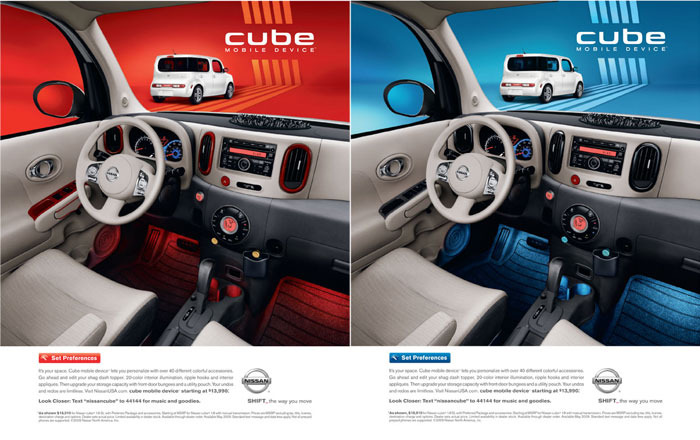
The strategic pivot was to treat the cube less like transportation and more like hardware — an object young buyers would customize, plug into, share, and show off. That thinking drove everything downstream: the visual system borrowed from consumer electronics packaging, the copy read like a product launch, and the media plan behaved more like a gadget rollout than an auto campaign.
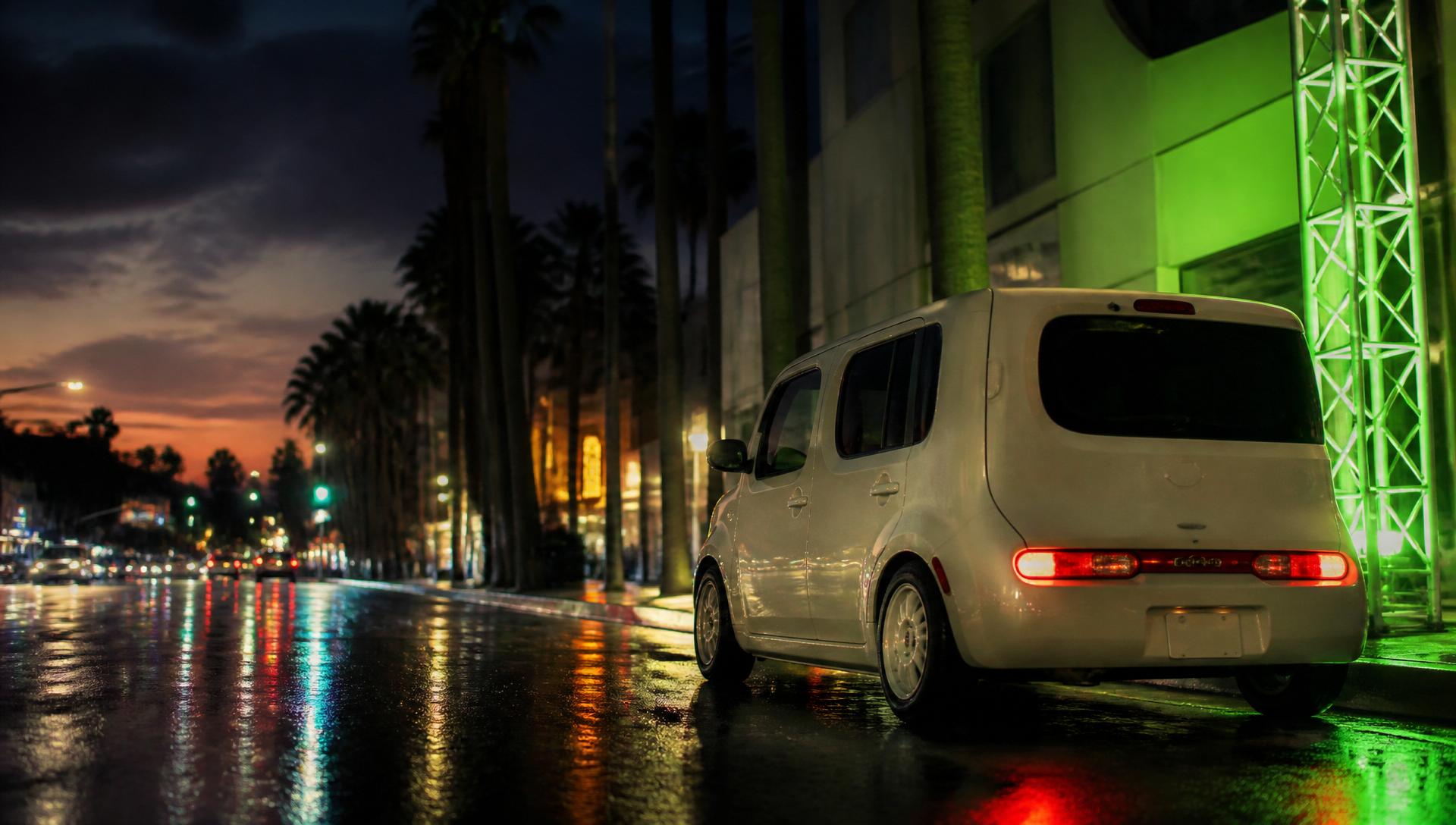
The tease came first. Life-size white "Pop Cubes" — mute, glossy, unbranded scale models of the car — were installed in high-traffic pedestrian zones at Hollywood & Highland and The Grove, letting curious passersby peer through the windows and touch the sheet metal weeks before the vehicle was named. Intrigue ran ahead of the reveal.
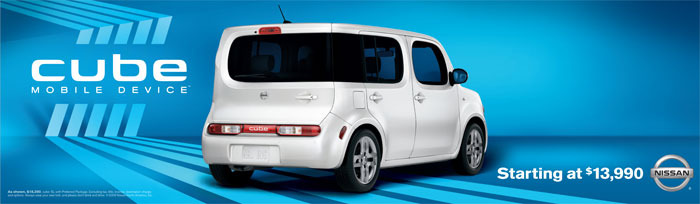
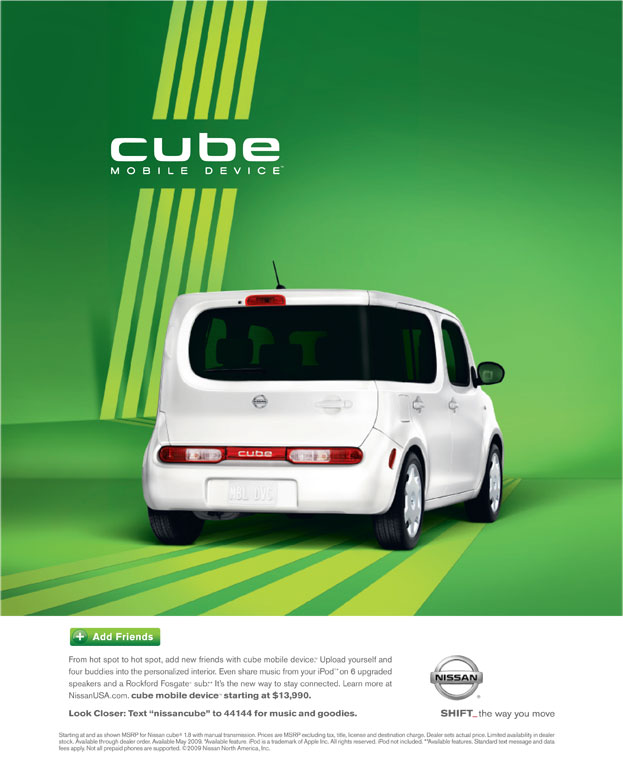
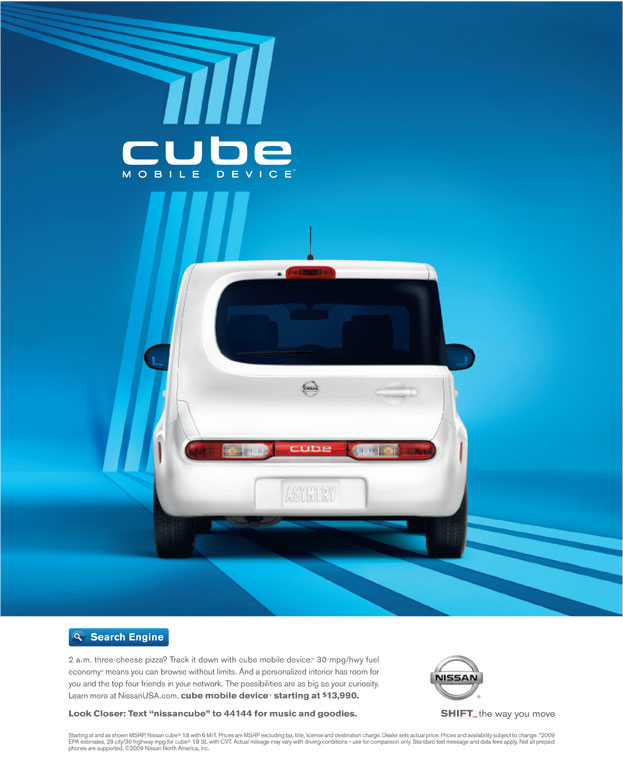
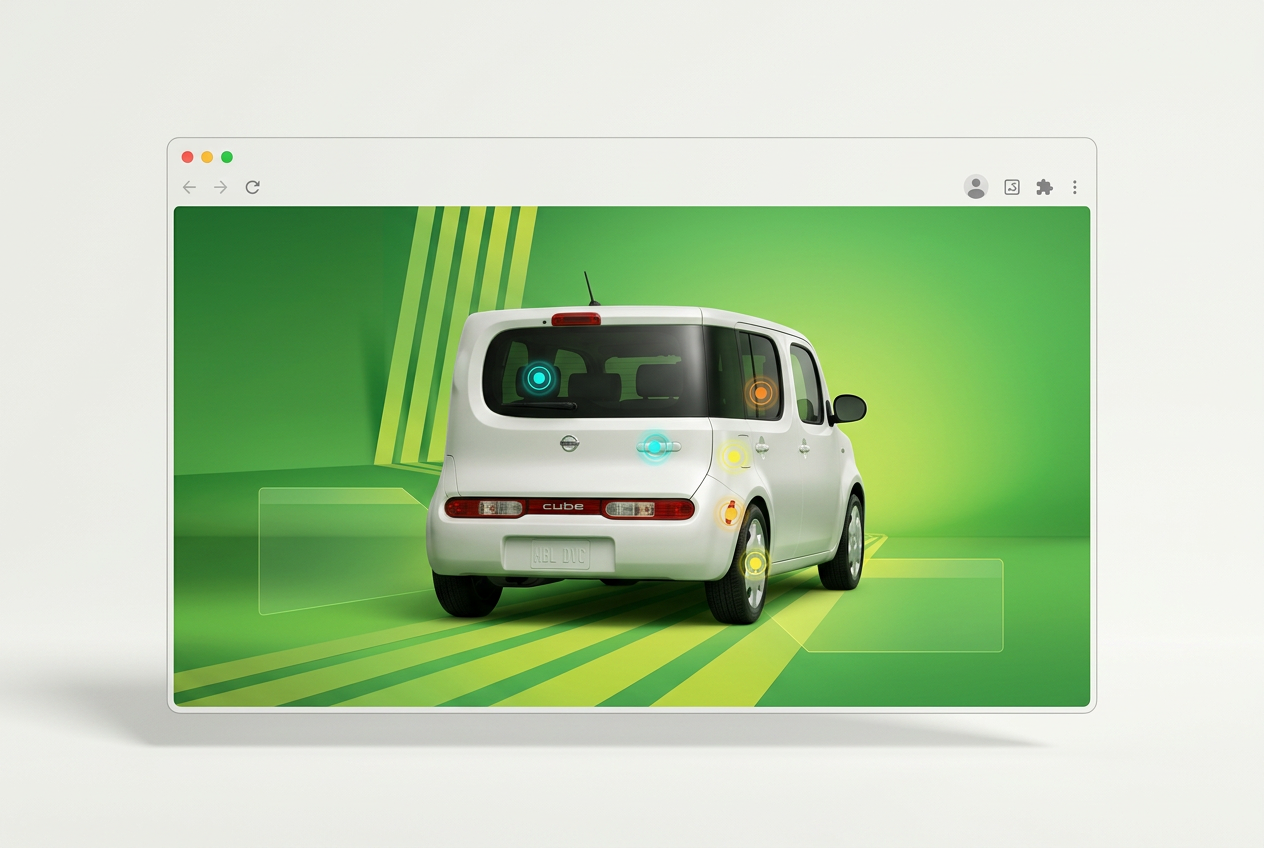
The launch itself hit every screen at once. Cinema and TV carried the :30 and :60 anthem films; Facebook and YouTube ran cutdowns and interactive units; a vibrant print campaign colonized the newsstand; and a suite of ad pods invited people to personalize, connect, and share with the car. A short-code CTA — "text nissancube to 44144" — tied traditional and digital together, rewarding audiences with a mobile hub of wallpapers, MP3s, and goodies.
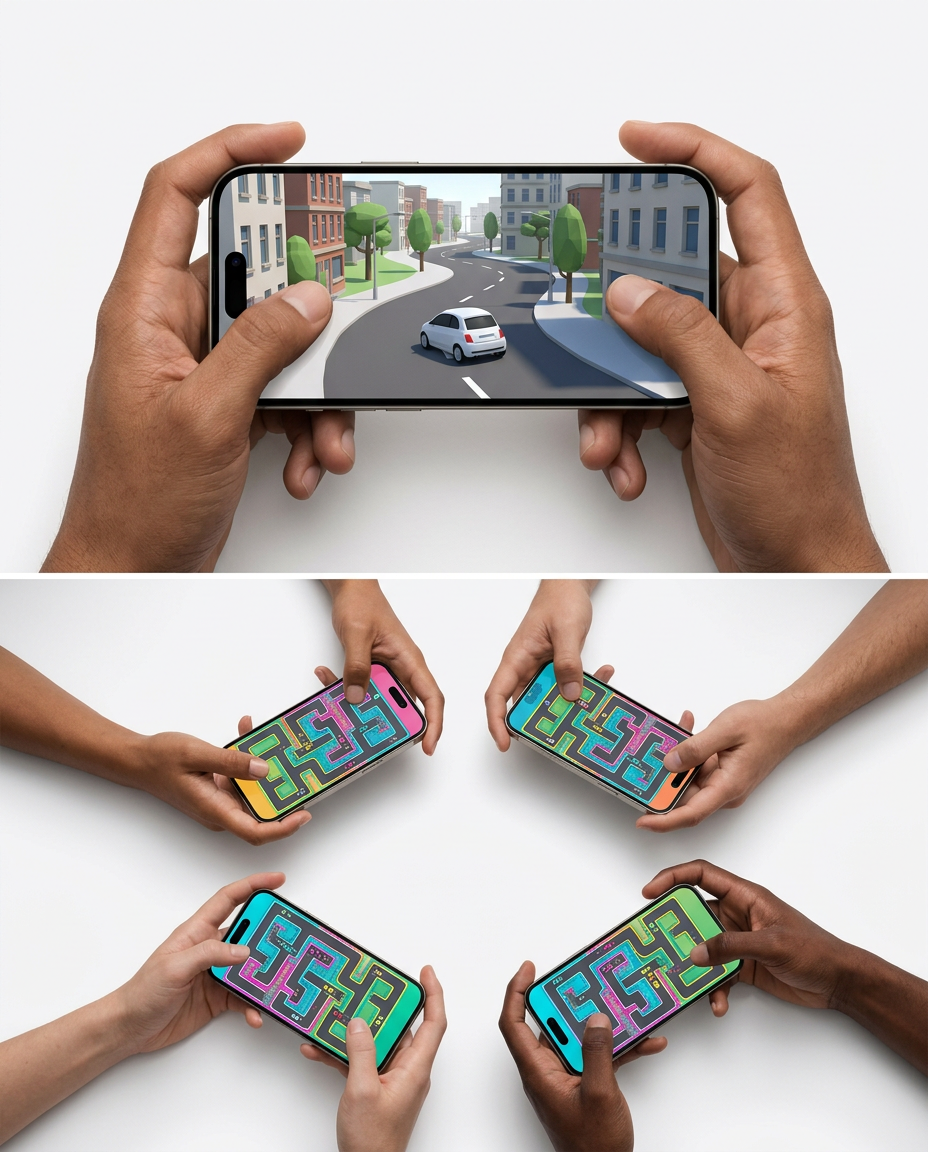
The crown jewel was the cube iPhone app: a 3D driving game with a genuinely ground-breaking cooperative multiplayer mode — up to eight players sharing one persistent map — plus a rich single-player campaign. Worked with Perry Fair, Justin Prough, Matt Talbot, Andrew Lincoln, Scott McEwen, and Jason Huber over four months. Role: concepting, brand strategy, and creative art direction.
Client
Nissan (via TBWA/Chiat/Day)
Medium
Integrated Campaign · TBWA/Chiat/Day
Practice
Integrated Campaign, Brand Strategy, Creative Direction, Experiential, Interactive
Stills
07